
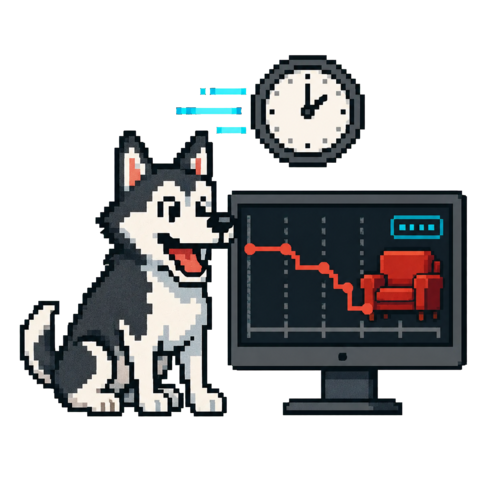

In the fast-moving world of furniture ecommerce, keeping up with competitors’ prices can feel like a full-time job. One week a rival slashes the price of their best-selling sofa, the next they quietly increase delivery fees — and you only notice after your conversions dip.
Manual tracking might work when you have five products and two competitors. But when your catalogue grows, and your rivals are constantly updating listings, you need automation.
Prefer a managed alternative to manual checking? Meet Fido Fetch! — a Furniture Industry Data Observer for scheduled competitor monitoring.
---
Why Manual Price Checking No Longer Works
Furniture retailers often start by checking competitor prices manually — a few bookmarked URLs, a spreadsheet, and an hour or two every week. But that approach quickly breaks down because:
- Prices change too frequently to catch every adjustment.
- Promotions and temporary discounts can mislead you.
- Human error leads to missed or outdated data.
- Time spent checking prices is time not spent improving your store.
Scheduled monitoring handles the repetitive checking for you and records changes after successful scans.
---
What Automated Competitor Price Tracking Does
For a deeper walkthrough of setup and alerts, see our How It Works page.
Automated price tracking tools, like Fido Fetch!, check selected competitor websites on a scheduled basis for supported product and price data:
- Prices: See when prices increase or drop across categories.
- New Listings: Get notified when new furniture items are added.
- Discontinued Items: Know when competitors remove a product.
Instead of digging through pages, you receive alerts and summaries — directly in your dashboard or inbox.
---
The Benefits of Going Automated
1. Stay Ahead of Competitors
See detected pricing changes after the relevant scan completes. Earlier visibility can help you review your position before making a decision.
2. Save Hours of Manual Work
Reduce spreadsheets and repetitive site visits. Fido Fetch! handles scheduled checks so you can focus on decisions rather than routine collection.
3. React With Confidence
Consistent change history gives you better evidence for pricing, advertising and merchandising reviews.
4. Simplify Reporting
Use dashboard history and configured summary emails to support meetings and analysis. Any export workflow should be verified against current product capabilities.
---
How to Automate Competitor Price Tracking with Fido Fetch!
A practical setup starts with a small, relevant monitoring scope:
- Add Your Competitors
- Set Preferences
- Get Updates
- Take Action
Choose the furniture websites you want to track. If they’re not listed, request a new one.
Decide which alerts matter most — prices, new items, or discontinued listings.
Review detected changes in the dashboard and choose daily, weekly or monthly summary emails.
Use insights to optimize your pricing, marketing, and inventory strategy.
---
Example: Spotting a Competitor Price Drop Early
Imagine your competitor drops the price of a 2-Seater Brown Sofa by 10%. Fido Fetch! records the change after the scheduled price scan and surfaces it for review.
Now you can:
- Match or adjust your pricing strategy.
- Pause paid ads temporarily to protect margins.
- Review if the competitor is clearing stock or launching a new line.
Instead of reacting late, you’re ahead of the curve.
---
The Bottom Line
The furniture market moves fast — and so should you. By automating your competitor price tracking, you eliminate guesswork, reduce manual effort, and make every decision data-driven.