
Category: Guides Ideal for: Ecommerce Managers, Founders, Analysts, Marketing Teams
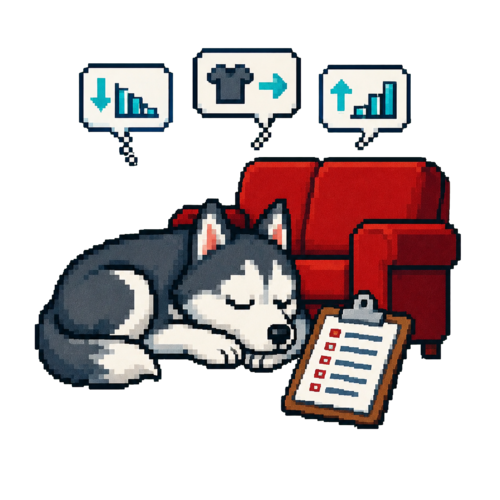
Most retailers don’t lose because their competitors are smarter. They lose because they notice changes too late.
Price drops, new products and missing or removed SKUs can happen quietly, often without announcements. By the time many teams react, customers have already adjusted their behaviour.
Here’s why competitor changes are so often missed — and how to fix the problem permanently.
---
The Real Problem: Delayed Awareness
Retail teams usually rely on:
- Dashboards
- Weekly reports
- Manual spot checks
- “Someone noticed it” Slack messages
The issue isn’t effort — it’s timing.
Dashboards show what has already happened. Competitor changes need a reliable scheduled detection and review process.
For a deeper explanation of this shift, see Why Furniture Retailers Need a Data Observer (Not Just a Dashboard).
---
Why Competitor Changes Slip Through the Cracks
1. Manual checking doesn’t scale
You can’t realistically check:
- Every category
- Every SKU
- Every competitor
- Every day
Something always gets missed.
2. Changes are intentionally subtle
Competitors often:
- Adjust prices quietly
- Remove products without notice
- Remove or redirect products without an announcement
- Soft-launch new ranges
These aren’t press releases — they’re signals.
3. Ownership is unclear
Who’s responsible for spotting competitor changes?
- Pricing?
- Marketing?
- Merchandising?
When everyone owns it, no one does.
---
The Cost of Missing Changes
Late awareness leads to:
- Wasted ad spend
- Unnecessary price cuts
- Missed product opportunities
- Poor timing on campaigns
- Reactive decision-making
For example, reacting after a competitor price drop is far less effective than knowing it happened instantly.
For response frameworks, see What to Do When a Competitor Drops Their Prices.
---
How High-Performing Teams Fix This
Winning teams do three things differently:
1. They automate detection
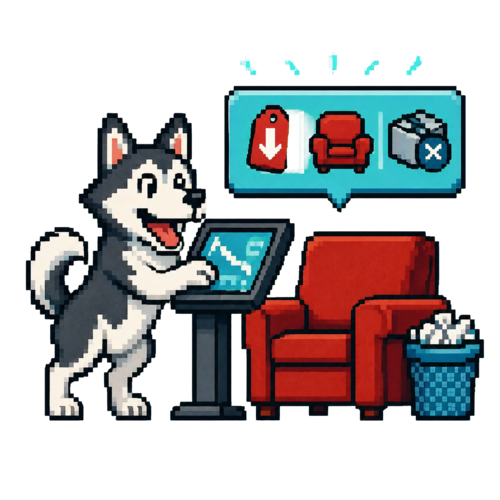
They don’t rely on humans to “notice” things. They use systems that track supported signals such as:
- Price increases and decreases
- New products
- Missing or removed products
- Product and category history
If you’re still checking manually, start here: How to Track Competitor Prices Automatically.
---
2. They turn alerts into workflows
An alert isn’t noise — it’s a trigger.
Example:
- Price drop → pricing review
- New product → merchandising comparison
- Discontinuation → SEO + ads opportunity
This is how insight becomes action. See practical examples in From Data to Action.
---
3. They focus on change, not data volume
Tracking everything is overwhelming. Tracking changes is powerful.
Change tells you:
- What matters
- What’s urgent
- Where to act
---
The Fix, in One Sentence
Stop trying to monitor competitors. Start detecting competitor changes automatically.
That’s how you move from reactive to proactive — regardless of category or industry.
Fido Fetch! was built to support this process by detecting supported competitor changes through scheduled scans and surfacing them for review.